

Understanding cultural influences on gambling behavior across different societies
The Role of Culture in Shaping Gambling Attitudes
Cultural context plays a pivotal role in how societies perceive and engage with gambling activities. In many cultures, gambling is seen as a social activity, reflecting communal values and shared experiences. For instance, in some Indigenous cultures, traditional games of chance are embedded in community gatherings, highlighting the significance of togetherness. Conversely, in societies where gambling is stigmatized, individuals may approach it with caution or outright disapproval, shaping their gambling behavior accordingly. Exploring top online casinos nz can provide insights into how different cultures adapt to modern gaming platforms.
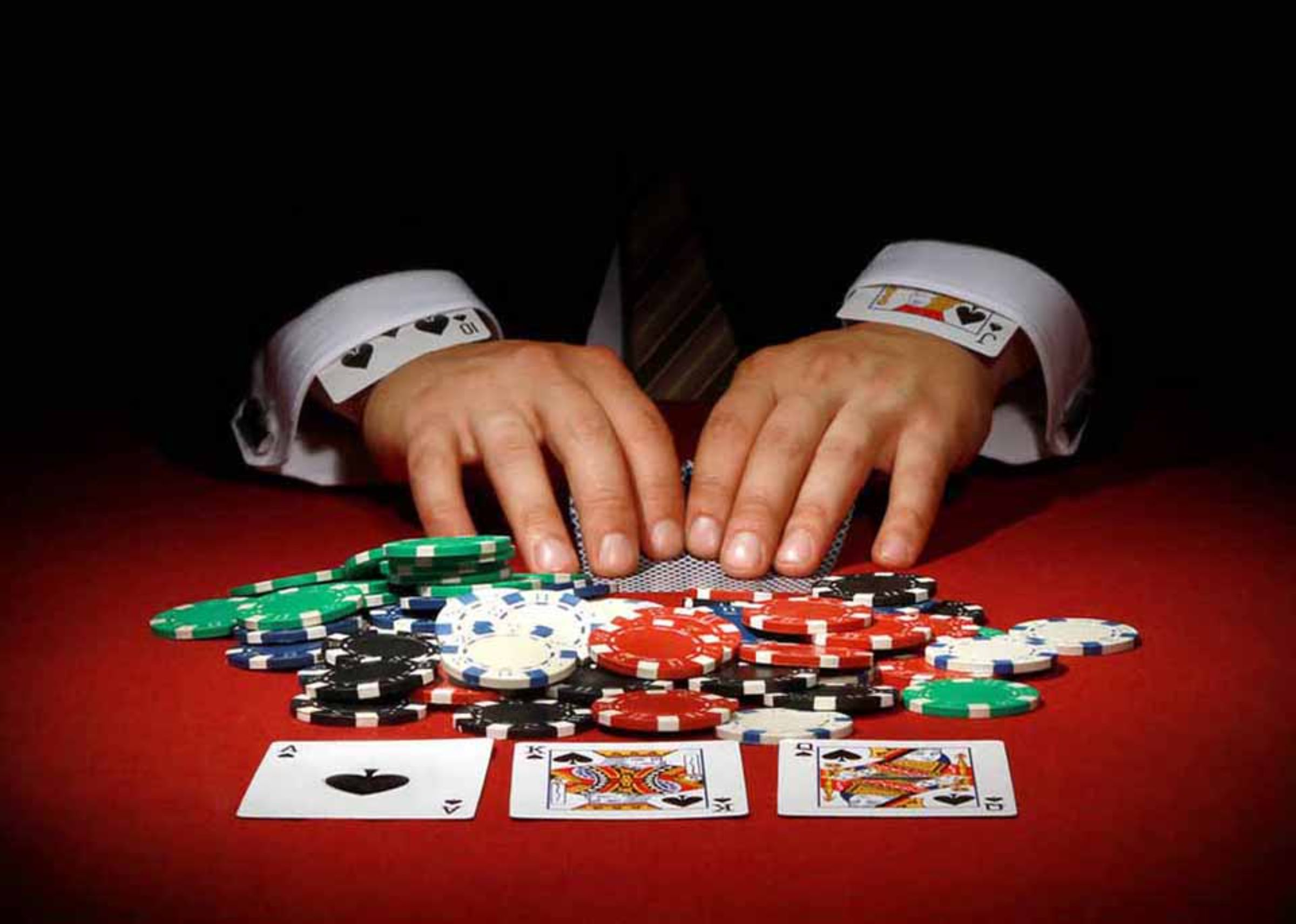
The influence of religion cannot be overlooked in this discussion. For example, in Islamic cultures, gambling is strictly forbidden due to religious teachings, leading to a general avoidance of gambling activities. This prohibition shapes societal views and norms surrounding gambling, impacting the behavior of individuals who might otherwise engage in such activities if cultural and religious influences allowed. Understanding these dynamics is crucial for recognizing why gambling habits vary significantly across cultures.
Additionally, societal acceptance of gambling often evolves over time. For example, in the United States, gambling was historically viewed negatively but has gained wider acceptance in recent years, particularly with the rise of state-sponsored lotteries and casinos. This shift illustrates how cultural perceptions can change, directly affecting gambling behavior and participation rates. Societal norms and values shift, indicating that cultural influences are not static but rather dynamic and adaptable.
Myths and Misconceptions Surrounding Gambling
Misconceptions about gambling are prevalent and can significantly affect behavior. Many individuals harbor the belief that gambling is a guaranteed way to make money, leading to impulsive decisions and potentially harmful gambling habits. This myth is particularly dangerous as it encourages individuals to gamble more than they can afford to lose, often resulting in financial distress. Understanding the reality of odds and probabilities in gambling is crucial to combating this misconception. Recognizing that such myths mislead many helps to create a more informed community.
Moreover, the myth that gambling is predominantly a male activity persists in many societies. While historically this may have been the case, research indicates that women are increasingly participating in various forms of gambling. This stereotype can lead to social pressures that discourage women from engaging in gambling, causing a significant gap in understanding women’s contributions to this industry. Challenging these myths is essential for fostering a more inclusive view of gambling and its participants.
Another common misconception is that luck is the sole determinant of winning in gambling. This belief can lead players to rely on superstitions or rituals, which do not influence the actual outcomes of games of chance. Educating gamblers about the role of skill, strategy, and randomness in gambling can help them develop healthier attitudes toward their participation. Addressing these myths helps create a more informed gambling community, reducing the likelihood of negative outcomes.
The Impact of Socioeconomic Factors on Gambling Behavior
Socioeconomic status plays a significant role in determining gambling behaviors across different societies. Individuals from lower socioeconomic backgrounds may engage in gambling as a form of escapism or as a desperate attempt to improve their financial situations. This can lead to a higher incidence of problem gambling within these communities, as the risks associated with gambling can exacerbate existing financial difficulties. Understanding these dynamics highlights the importance of creating support systems for vulnerable populations.
Conversely, individuals from higher socioeconomic backgrounds may view gambling as a leisure activity rather than a means to an end. For them, gambling might be less about financial gain and more about entertainment and socializing. This distinction is crucial as it shapes how different groups interact with gambling environments. For example, affluent individuals are more likely to engage in high-stakes gambling at exclusive venues, while those with less financial stability might frequent local gaming establishments.
Furthermore, educational opportunities and access to information also influence gambling behavior. Those with higher levels of education might be more aware of the risks and realities associated with gambling, leading to more responsible gambling practices. In contrast, a lack of education can perpetuate myths and misconceptions, fostering unhealthy gambling habits. Addressing educational disparities is therefore essential for promoting responsible gambling across all socioeconomic groups.
Gender Differences in Gambling Behavior
Gender can significantly influence gambling behaviors, with men and women often engaging in different types of gambling and having distinct motivations. Studies indicate that men are more likely to participate in high-risk gambling activities, such as sports betting or poker, while women may prefer games of chance like slots or bingo. These preferences can be attributed to societal norms and expectations, as well as the differing socialization processes for men and women.
Furthermore, the motivations behind gambling can vary by gender. Men often gamble for thrill-seeking and competition, while women may engage in gambling as a social activity or a form of entertainment. This understanding is vital for developing targeted marketing strategies within the gambling industry that respect and respond to these differences, creating a more welcoming environment for all participants.
However, societal stigma still exists for both genders when it comes to gambling. Men may feel pressured to conform to traditional notions of masculinity, which can lead to reckless gambling behavior. Women, on the other hand, may face judgment for participating in gambling, particularly in cultures that view it as a male-dominated activity. Addressing these gender biases is essential for fostering a more inclusive gambling culture where everyone can participate freely.

Exploring Online Gambling and Cultural Nuances
The rise of online gambling has introduced new cultural nuances that influence gambling behavior. Different countries have varying regulations and cultural attitudes toward online gambling, impacting user experience and participation. For instance, in nations with strict regulations, online gambling may be approached with suspicion, whereas countries with more liberal policies may experience rapid growth in online gaming communities.
Additionally, the accessibility of online gambling platforms has led to a surge in participation among diverse demographic groups. Individuals who might have felt marginalized in traditional gambling environments can find a sense of belonging online. This shift underscores the importance of understanding cultural differences in online gambling behavior, as it can lead to new opportunities for engagement and community-building.
Moreover, the online gambling experience is often tailored to reflect cultural preferences, from game themes to payment methods. For example, certain online casinos may feature local games or culturally relevant themes to attract players from specific regions. Understanding these cultural influences allows online gambling platforms to cater effectively to their audiences, enhancing the overall gaming experience.