

Exploring the latest trends in casino design for modern gamblers
Embracing Technological Integration
Modern casinos are increasingly integrating advanced technology into their design to enhance the gambling experience. From virtual reality (VR) gaming areas to augmented reality (AR) features, the aim is to create immersive environments that engage players more deeply. For instance, players can don VR headsets to enter entirely new gaming worlds, where they can interact with elements in ways that traditional games do not allow. This not only attracts younger gamblers but also elevates the overall gaming experience. In Pakistan, the tower rush pakistan app stands out, showcasing how mobile platforms can create unique opportunities for players to enjoy games.

Furthermore, cashless payment systems are becoming a standard feature in casino design. By eliminating physical cash transactions, casinos are providing convenience and enhanced security for players. These systems often include digital wallets and mobile applications, allowing gamblers to make deposits and withdrawals seamlessly. This shift not only caters to modern consumers’ preferences but also streamlines operations within the casino, making it easier to manage resources and enhance customer service.
Another emerging trend is the use of data analytics to personalize the gaming experience. Casinos are now leveraging big data to understand player behavior and preferences better. This allows them to tailor promotions and gaming options to individual users, thereby improving customer satisfaction. For example, if a player frequently engages with certain types of games, the casino might offer personalized bonuses or exclusive access to new releases, making players feel valued and encouraging their return.
Creating Multi-Functional Spaces
Modern casinos are shifting from being purely gambling-centric to multi-functional entertainment hubs. This trend aims to attract a wider audience by offering various activities beyond traditional gaming. For instance, many contemporary casinos now include concert venues, fine dining establishments, and wellness centers. By diversifying their offerings, casinos can appeal to different demographics, including families and non-gamblers, thus enhancing foot traffic and overall revenue.
The design of these multi-functional spaces often emphasizes open layouts that encourage exploration. Large, airy common areas with comfortable seating invite patrons to relax and socialize, contributing to a lively atmosphere. This design strategy not only makes the casino more inviting but also fosters a sense of community among visitors. Consequently, many guests may choose to linger longer, increasing their chances of engaging with gaming options as they transition between various entertainment experiences.
Additionally, many casinos are incorporating outdoor spaces to further enrich the guest experience. Rooftop lounges or garden areas can provide a serene escape from the bustling casino floor. Such spaces not only enhance the aesthetic appeal of the venue but also encourage longer stays. Patrons might enjoy a cocktail while taking in scenic views, making them more inclined to return and explore the gaming options available.
Focus on Sustainability and Eco-Friendly Design
As environmental awareness continues to grow, modern casinos are increasingly prioritizing sustainability in their design and operations. This involves utilizing eco-friendly materials and implementing energy-efficient technologies. For example, many casinos are now equipped with solar panels and energy-efficient lighting systems. Such initiatives not only reduce operational costs but also align with the values of environmentally conscious consumers, which can enhance brand loyalty.
Moreover, casinos are exploring sustainable landscaping options, incorporating native plant species to reduce water usage and support local ecosystems. This design approach can create inviting outdoor spaces that enhance the overall aesthetic appeal of the venue while minimizing ecological footprints. By communicating these efforts to patrons, casinos can also strengthen their reputation as socially responsible businesses.
In addition to structural design, many casinos are rethinking their food and beverage offerings. This includes sourcing ingredients locally and implementing waste-reduction programs. By focusing on sustainability, casinos can appeal to a growing demographic that values responsible consumption, ultimately enhancing customer loyalty and attracting a new generation of environmentally aware gamblers.
Incorporating Social Gaming Elements
Social gaming is becoming an integral part of casino design, catering to the growing demand for interactive and community-driven experiences. Many modern casinos are now featuring designated areas for social gaming, where players can engage in games that foster interaction, such as multiplayer poker or team-based slot tournaments. This shift not only appeals to younger audiences but also creates a vibrant atmosphere that encourages socialization and camaraderie among players.
Another innovative approach is the integration of esports and competitive gaming events within casino spaces. By creating dedicated areas for esports tournaments, casinos can attract a new generation of gamers who may not have previously considered visiting a traditional gaming venue. These events can generate substantial foot traffic and increase overall engagement, making the casino a community hub for diverse entertainment.
Casinos are also leveraging social media to enhance the gaming experience. For example, features that allow players to share their achievements online or engage in live tournaments with friends can create a buzz around the casino’s offerings. This not only enhances player engagement but also extends the casino’s reach through social networks, attracting new customers who may learn about the casino through their peers.
Innovative Experiences on Digital Platforms
The rise of online gambling has prompted casinos to create hybrid experiences that blend physical and digital gaming. Many casinos now offer mobile apps and online platforms that mirror the physical experience, allowing players to enjoy their favorite games from the comfort of their homes. This trend not only caters to those who prefer online play but also serves as a marketing tool to draw players into the casino environment.
Additionally, casinos are investing in live dealer games that provide a realistic experience by streaming real-time gaming sessions. This setup allows players to interact with live dealers and other participants, bridging the gap between online and offline gaming. By offering these innovative experiences, casinos can attract a broader audience and meet the evolving preferences of modern gamblers.
Moreover, gamification is playing a vital role in enhancing online and offline casino experiences. Many establishments are incorporating reward systems, challenges, and leaderboards to engage players more effectively. This strategy not only increases player retention but also encourages frequent visits, as customers strive to unlock rewards and achieve higher ranks.
Conclusion on Casino Design Trends
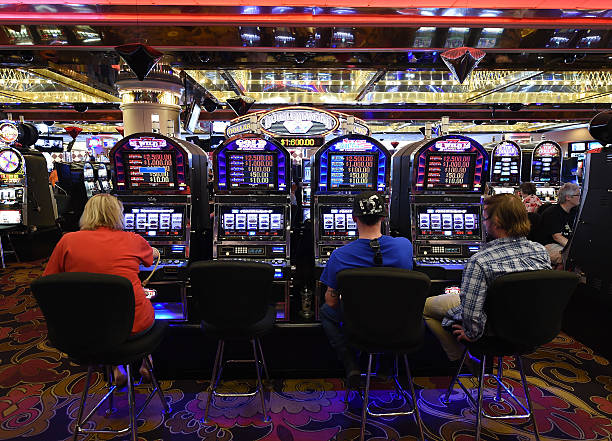
As the landscape of gambling continues to evolve, so too must the design and offerings of modern casinos. The latest trends underscore a shift toward creating immersive, multi-functional spaces that cater to a diverse audience. With technological integration, sustainable practices, and social elements, casinos are embracing innovative designs that not only enhance the player experience but also align with contemporary values.
These trends reflect an industry that is not just about luck or skill; they emphasize a holistic approach to entertainment, ensuring that modern gamblers enjoy a well-rounded experience. As casinos adapt to these trends, they will likely continue to shape the future of gambling, making it more accessible and enjoyable for all.