The world of SEO is changing fast, and every business wants more traffic, more leads, and more results — but without spending years writing thousands of pages manually. That’s where the power of Programmatic SEO comes in.
If you’ve been searching for a strategy that lets you publish hundreds of SEO-friendly pages quickly, rank at scale, and dominate long-tail keywords, this guide breaks it down in a simple, experience-driven way.
What Is Programmatic SEO?
Programmatic SEO uses templates, structured data, and automation to produce hundreds or thousands of optimized pages.
Real Example:
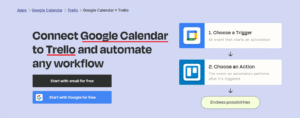
Companies like Zapier created over 25,000+ landing pages targeting “App A to App B integrations.” Each page pulls dynamic data from a dataset, but follows one template — and ranks extremely well.
Formula:
Template + Data + Automation = Thousands of unique SEO pages.
Examples of Programmatic SEO keywords:
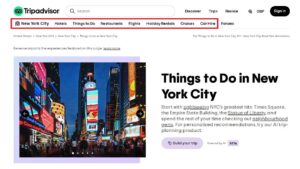
Best Internet Providers in City
Attorneys Near Location
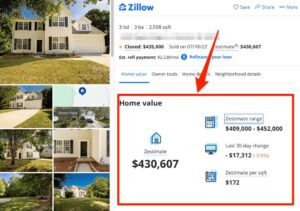
Homes for Sale in Zipcode
How to Fix Device Issue
Why Programmatic SEO Matters in 2026
With AI Overviews dominating search, long-tail keywords are more important than ever.
Programmatic SEO helps you: ✔ Publish 1000+ pages automatically ✔ Rank for thousands of long-tail keywords ✔ Dominate local search ✔ Win visibility in AI Overviews ✔ Reduce content production costs ✔ Grow traffic faster than traditional SEO
Industry Example:
Airbnb uses Programmatic SEO to publish city-level and neighborhood-level pages like: “Homes in Miami Beach,” “Rooms in Downtown Austin,” “Unique stays in Sedona.” These pages pull data automatically and rank extremely well.
How Programmatic SEO Works (Simple Framework)
1. Collect Data
From APIs, Google Sheets, or external datasets.
2. Pick Programmatic Keywords
Look for repeatable patterns like “Best service in location.”
3. Build a Page Template
Include sections for dynamic content like:
Location
Prices
Ratings
Comparisons
4. Auto-Generate Pages
Use CMS systems, AI tools, or scripts.
5. Optimize & Update
Add schema, internal links, FAQs.
Choosing the Right Keywords for Programmatic SEO
The success of Programmatic SEO depends on choosing repeatable keyword patterns such as:
Location-Based Keywords
Internet provider in city
Lawyer near landmark
Hotels in state
Service-Based Keywords
Marketing agency for industry
Cleaning service in city
Comparison Keywords
Product A vs Product B
Best alternatives to brand
Product-Based Keywords
Best laptop for profession
Tools for industry
Always choose keywords where one pattern creates many variations.
Winning Page Template for Programmatic SEO
Every high-performing Programmatic SEO page includes:
✔ Keyword-rich title ✔ Simple introduction ✔ Data-driven sections ✔ Tables, lists, comparisons ✔ Local or product-specific content ✔ Strong CTA ✔ FAQs ✔ Schema markup ✔ Internal links
Real Example:
Product review sites like Capterra and G2 generate pages like: “Best CRM Software for Real Estate Agents” Each page is built with dynamic data: ratings, prices, features.
Common Mistakes to Avoid
❌ Thin content ❌ Duplicate templates ❌ Bad or missing data ❌ Publishing too many pages at once ❌ No schema markup
AI + Programmatic SEO: The 2026 Power Combo
AI tools now make it easier than ever:
Write intros
Expand datasets
Create FAQs
Rewrite content for uniqueness
Add insights
Example:
Redfin uses AI-enhanced datasets to publish pages like: “Homes for Sale in 90001,” “Condos Near Miami Beach.” These pages rank for hyperlocal search terms.
Who Uses Programmatic SEO?
Programmatic SEO is used by the largest, fastest-growing companies on the internet: