

Table of Contents
Introduction
What Are Email Automation Flows?
Why Email Automation Matters in 2026
How Email Automation Flows Work
Types of Email Automation Flows
Benefits of Email Automation for Businesses
How to Build High-Converting Email Flows
Best Tools for Email Automation
Common Mistakes to Avoid
The Future of Email Automation in 2026
Frequently Asked Questions (FAQs)
Final Thoughts
Running a business today means juggling dozens of tasks at once — marketing, customer service, lead nurturing, sales, follow-ups, and more. But the truth is simple:
You don’t need to do everything manually. Email automation flows can take over the heavy lifting.
Email automation is one of the most powerful, affordable, and consistent marketing systems you will ever use.
Unlike social media, algorithms, or paid ads, email automation flows work quietly in the background — warming leads, nurturing customers, and generating sales even while you sleep.
In this guide, we’ll break it all down in simple language so you understand exactly how email automation works, why it matters, and how it can transform your business.
What Are Email Automation Flows?
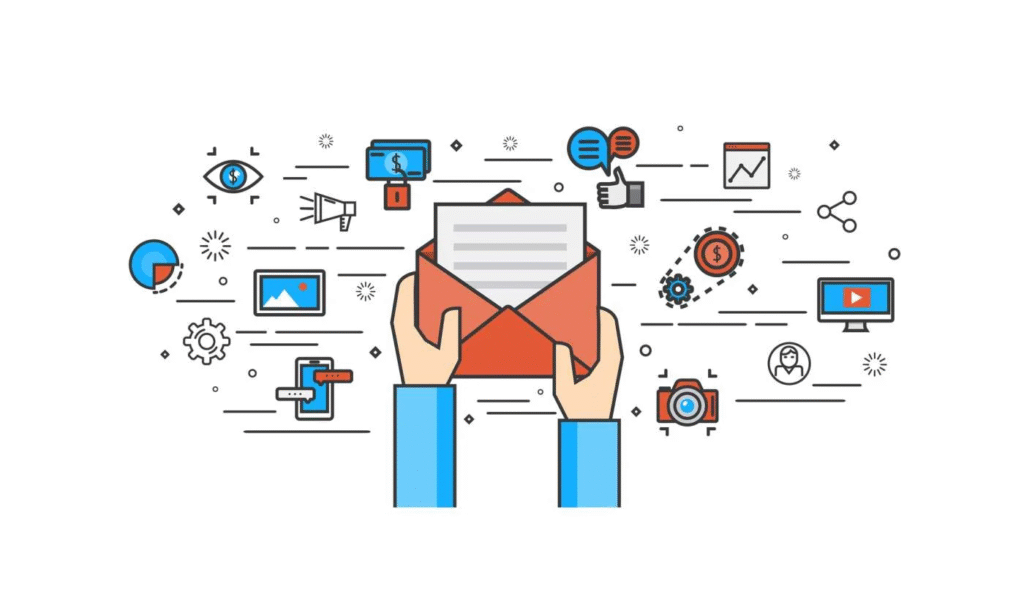
Email automation flows are pre-written, pre-scheduled email sequences that automatically send to your subscribers based on their actions, behaviors, or timelines.
Think of them as your digital assistant — sending the right message to the right person at the right time.
Automation flows can trigger when someone:
- Joins your email list
- Downloads a free guide
- Makes a purchase
- Abandons a cart
- Visits a product page
- Shows interest in a service
- Stops opening your emails
- Becomes a loyal customer
Instead of sending every email manually, automation handles everything for you.
What Are Email Automation Flows?
Customer behavior has changed. People expect:
✔ Fast answers
✔ Personalized communication
✔ Smooth user experiences
✔ Relevant messages
Email automation helps you deliver all of that — without hiring a huge team.
Here’s why businesses rely on it:
1. Email converts better than social media
Email marketing has an average ROI of $36 for every $1 spent.
It consistently beats ads, social media, and other marketing channels.
2. Your audience actually sees your message
Algorithms hide your posts.
Email lands directly in the inbox.
3. Automation runs 24/7
Whether you’re sleeping, traveling, or busy — automation keeps working.
4. Leads convert much faster
Most people don’t buy right away.
Email nurtures them until they’re ready.
5. It feels personal… even when automated
Modern tools customize each message based on:
- Name
- Behavior
- Interests
- Purchase history
Your audience gets a tailored experience every time.
The Most Important Email Automation Flows for Every Business
After two decades in marketing, I’ve seen that these seven flows deliver the biggest impact.
1. Welcome Email Flow
It’s the first impression — and the most important.
A strong welcome sequence should:
- Introduce your brand
- Share your story
- Provide value
- Build trust
- Offer your best content
- Guide the subscriber to their next step
Welcome flows generate 4–10x higher engagement than regular newsletters.
2. Lead Nurture Flow
For people who are interested but not ready to buy.
This flow educates leads by sending:
- Tips
- Guides
- Case studies
- Tutorials
- Success stories
- Helpful resources
The goal?
Turn curiosity into confidence.
3. Abandoned Cart Flow
One of the highest-converting flows.
People add items to their cart but leave.
This sequence brings them back.
A strong abandoned cart series:
- Reminds them
- Addresses objections
- Offers support
- Adds urgency
- Sometimes includes a small incentive
It can recover 20–40% of lost sales.
4. Post-Purchase Flow
Most businesses stop emailing after someone buys — and that’s a big mistake.
Post-purchase emails:
- Say thank you
- Confirm the order
- Give instructions
- Set expectations
- Ask for feedback
- Encourage repeat purchases
Happy customers become loyal customers.
5. Re-Engagement Flow
Perfect for subscribers who stopped opening your emails.
This flow can:
- Wake up inactive customers
- Clean your list
- Boost deliverability
- Increase future conversions
A simple “We miss you — here’s what’s new!” can work wonders.
6. Upsell & Cross-Sell Flow
After a customer buys, they are most likely to buy again.
Recommend:
- Add-ons
- Upgrades
- Complementary products
- Services that enhance their purchase
This flow increases revenue without extra ad spend.
7. Birthday or Anniversary Flow
A human touch makes customers feel valued.
Send:
- A gift
- A discount
- A personalized message
Small actions build strong relationships.
How Email Automation Flows Work
Most modern email tools make automation easy.
Here’s the process in simple steps:
Step 1: Pick an Email Automation Tool
Popular tools include:
- Mailchimp
- Klaviyo
- HubSpot
- ActiveCampaign
- ConvertKit
- MailerLite
Choose based on your business size and needs.
Step 2: Set a Trigger
A trigger activates the flow.
It could be:
- A form submission
- A purchase
- A page visit
- A click on a link
- A birthday
- A cart abandonment
Step 3: Write the Email Sequence
Use:
- Simple language
- Short paragraphs
- Helpful content
- Clear calls to action
- Smart personalization
Step 4: Customize the Timing
Examples:
- Welcome email → immediately
- Upsell → 2 days after purchase
- Abandoned cart → 1 hour later
- Re-engagement → every 7 days
Step 5: Turn It On and Let It Run
Automation handles the rest.
Benefits of Email Automation for Small Businesses
From startups to online stores to service providers, automation creates powerful results:
✔ Saves time
✔ Reduces manual work
✔ Nurtures leads automatically
✔ Boosts conversions
✔ Increases customer lifetime value
✔ Improves relationships
✔ Builds predictable revenue
For small teams, it’s a game-changer.
Examples of Businesses Using Email Automation Successfully
E-Commerce Stores
Use automated flows for:
- Cart recovery
- Product recommendations
- Upsells
Coaches & Consultants
Use nurture flows to warm up leads before booking.
Real Estate Agents
Automate follow-ups, property updates, and reminders.
Local Service Providers
Send appointment confirmations, reviews, and promotions.
SaaS Companies
Use onboarding flows to help users succeed with the software.
Automation fits every industry.
The Future of Email Automation in 2026
Email automation is evolving with AI. Here’s what’s coming:
✔ AI-written personalized messages
✔ Predictive sending times
✔ Smarter segmentation
✔ AI-powered recommendations
✔ Behavior-driven messaging
✔ Automated A/B testing
Automation is becoming more intelligent, more human-like, and more effective.
Frequently Asked Questions (FAQs)
1. What is an email automation flow?
It’s a sequence of pre-planned emails that send automatically based on user actions like sign-ups, purchases, or behavior.
2. Which businesses should use email automation?
Every business — e-commerce, service providers, coaches, SaaS, real estate, and local businesses benefit.
3. Do automated emails feel robotic?
Not with good writing. When crafted well, automated emails feel personal, helpful, and friendly.
4. How many email flows should a business have?
At least 4–6 core flows: welcome, nurture, abandoned cart, post-purchase, re-engagement, and upsell.
5. Is email automation expensive?
No. Most tools offer affordable plans, and the ROI is much higher than the cost.
Final Thoughts
Email automation flows are one of the smartest marketing systems you can build. They save time, nurture leads, build trust, and drive sales automatically.
Whether you’re a small business owner, coach, e-commerce brand, or service provider — automation helps you grow faster with less effort.

